Gold is trading the dollar and yields, not geopolitics
Monday, Nov. 2, 2026, Gold’s turn into November should bury the lazy idea that bullion is mainly a geopolitical insurance policy. The week’s action showed the metal reacting to a weaker dollar and softer Treasury yields instead, and that is what matters for the next move.
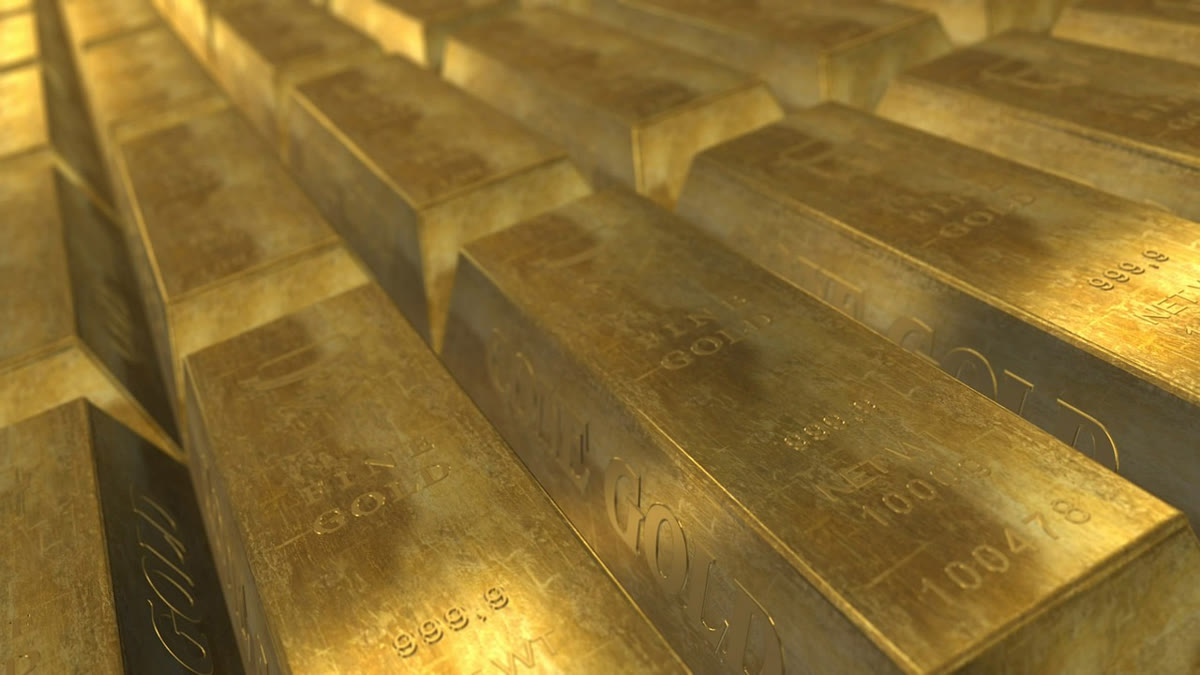
Monday, Nov. 2, 2026, Gold’s turn into November should bury the lazy idea that bullion is mainly a geopolitical insurance policy. We saw a plunge to a one-year low below $3,900 on Oct. 30 and then a rebound back above $3,900 on Nov. 2 as the dollar weakened and Treasury yields slipped. GoldSquawk data show COMEX gold at $3,886.00 at 19:05 UTC on Oct. 30 and $3,879.80 by 19:44 UTC, while the contract settled near $3,899.00, down $132.00 or 3.27% on the day. By Nov. 2 it settled near $3,969.50, up $70.50 or 1.81%. That is not clean war-premium behaviour. It is cross-asset macro.
The view we push against is the familiar bullion-bull claim that geopolitics should dominate. Metals Daily kept that case alive on Nov. 2 when it said “geopolitical uncertainty” still posed risks for bullion, and the World Gold Council said geopolitics could support gold in Q4 even as rates and the dollar weighed. We think the week showed the opposite pecking order. Reuters reported the Dollar Index fell 0.22% to 101.76 on Nov. 2 after touching 101.42, while longer-dated Treasury yields moved lower. By 18:10 UTC, Bloomberg had the 10-year yield at 4.871%, down 5.76 basis points and at its lowest since Sept. 10. Gold bounced with that macro easing, not because politics suddenly stopped mattering.
The sell-off made the point first
The strongest evidence against the pure-hedge story came on the way down. Kitco reported on Oct. 30 that gold broke convincingly below $4,000 and fell to $3,884.61, its lowest since Oct. 6, 2025. If geopolitics were the dominant force, a drop through a big round number to a one-year low would have been much harder to explain. Instead, Kitco said investors were bracing for U.S. employment data and the midterm elections as fresh sources of volatility. That is macro-event risk, not a simple flight-to-safety bid.
The oil angle also matters, but not in the way headline readers assume. The Oct. 30 break came as higher oil prices fuelled fears of more pain ahead for gold. In other words, oil was working through inflation expectations and rates, not handing bullion an automatic safe-haven premium. The World Gold Council’s own attribution work already told us this is how gold has been trading: in September, a 53 basis point rise in the U.S. 10-year Treasury yield to 5.3% and a 2% rise in the DXY were major contributors to gold’s drop. That is the mechanism. Gold is still a non-yielding asset priced against real and nominal rate pressure, and the dollar is still the most immediate translation layer.
Silver gave the game away
The Nov. 2 rebound had the same macro fingerprints. Metals Daily said gold recovered above $3,900 with help from a 0.4% drop in the U.S. Dollar Index to 101.45. It also said silver rose 2.6% and oil prices declined for a second straight session ahead of the U.S. midterms. That mix matters. When silver jumps harder than gold and oil falls while the dollar softens, the tape looks like a broad macro reset, not a frantic rush into geopolitical insurance.
The official data on the day did not blow that up. U.S. ISM manufacturing PMI printed 55.5, above the 54.5 forecast and the prior 54.5. A firmer growth print should have been awkward for gold if the market were focused only on the economy in isolation. Yet bullion still recovered because the live cross-market signals that matter more on the day — the dollar and yields — were moving in its favour. That is exactly how a macro barometer behaves.
Flows, not fear, still set the marginal price
Positioning also argues against the idea of a market charging into gold for shelter. The CFTC’s COMEX report showed open interest at 396,810 contracts, with managed-money long positions down by 13,418 contracts from the prior week and commercial short positions down by 15,380 contracts. That means speculative length was being cut into the late-October break, while commercials were also reducing exposure. This was a market de-risking and clearing out, not one building a heroic geopolitical premium.
The World Gold Council has been plain on the point that matters most here: investment demand is the marginal driver of gold price returns in the short run. It also said in its November outlook that investment demand should remain the principal source of annual demand growth in 2026, while Q4 faces competing macro forces from higher policy rates, bond yields and a stronger dollar on one side, and fiscal concerns, inflation risks, geopolitics and market stress on the other. That is a useful hierarchy. Geopolitics can support the story. Macro flows set the price.
What will test this next
Later developments only strengthened the case. On Nov. 4, Reuters said the 10-year Treasury yield hit 4.8838% intraday and the 2-year fell to 4.5458, its lowest since Sept. 10, as oil tumbled and easing inflation concerns pulled investors into Treasuries. Gold then settled near $4,073.10, up $132.90 or 3.37% on the day. By Nov. 6, GoldSquawk data showed gold’s strongest three-month correlation was with silver at +0.86, stronger than its link to the DXY at -0.43, the U.S. 10-year yield at -0.18 or WTI crude at -0.29. That is not what a pure war hedge looks like.
The next proper test is not whether geopolitical headlines stay loud. It is whether U.S. macro data can turn the dollar and yields back up. As of Nov. 6, the market was looking for 65,000 non-farm payrolls, 0.3% monthly average hourly earnings and a 4.2% unemployment rate. If those numbers re-price rates higher and gold sags again, even with geopolitics still hanging over the market, the verdict gets harder to dodge.
Key data
| Measure | Value | Source |
|---|---|---|
| COMEX gold futures before the first headline | 3,886.00 | COMEX gold futures (GoldSquawk data) |
| COMEX gold futures settlement near | $3,899.00 | GoldSquawk settlement data |
How the story unfolded
- Oct. 30, 2026, 19:10 GMT · GOLD: Plunges to one-year low below $3,900 as higher oil prices fuel fears of more pain ahead (Kitco)
- Nov. 2, 2026, 13:56 GMT · GOLD: Rebounds above $3,900 after October slump as weaker dollar supports prices (Metals Daily)
- Nov. 2, 2026, 18:10 GMT · US TREASURY: Yields fall to lowest levels since Sept 10; 10-year note last down 5.76 bps at 4.871% - Bloomberg (Bloomberg)
Primary sources
- World Gold Council · Outlook
- World Gold Council · Gold Market Commentary: Go with the flow
- CFTC · Commitments of Traders Report - CMX (Futures Only)
General market commentary only. Not financial advice.